
On-Site Wastewater Systems in New Zealand: A Complete Guide to Types, Soil Considerations, and Standards
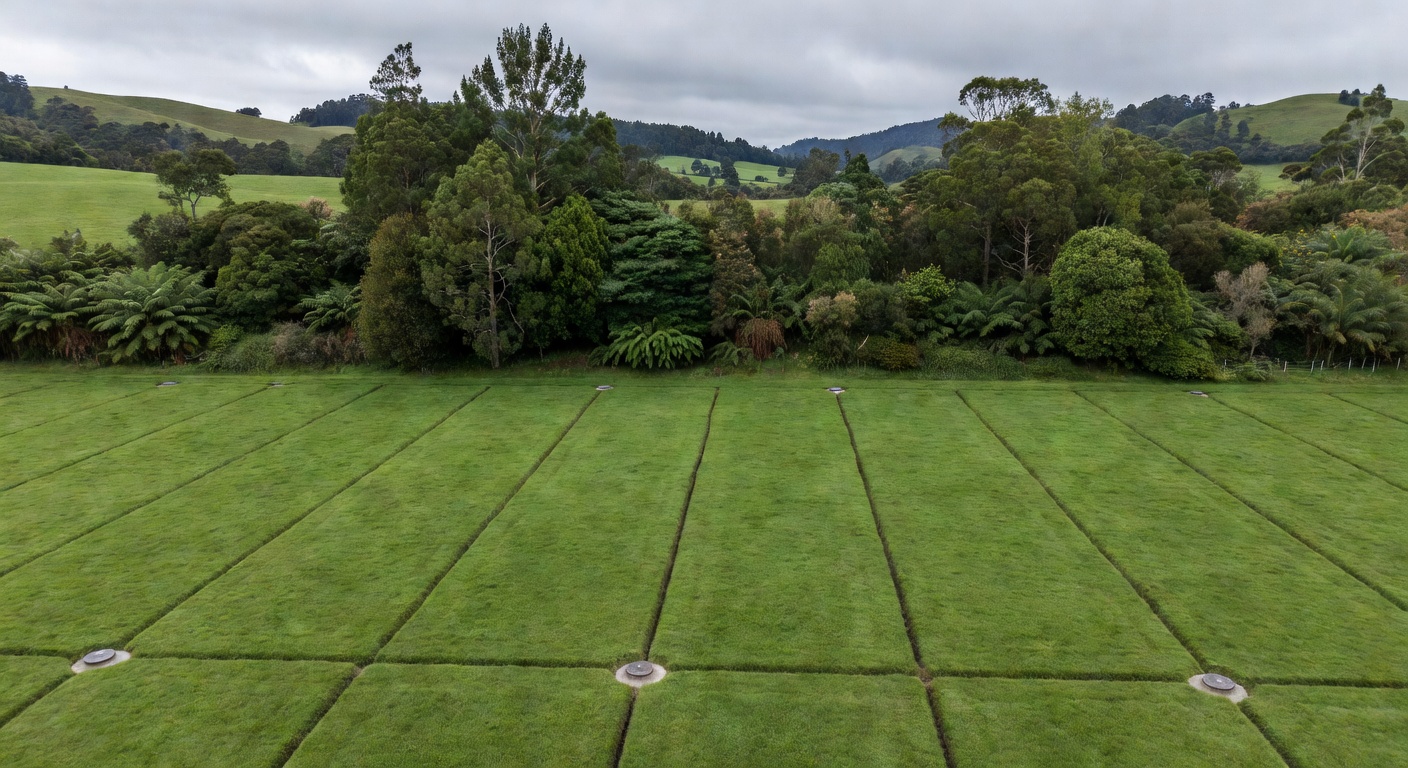
For properties beyond the reach of reticulated wastewater networks — whether rural lifestyle blocks, remote coastal settlements, or subdivisions at the urban fringe — on-site wastewater treatment and disposal is a critical engineering consideration. Getting it right protects public health, preserves water quality, and keeps you on the right side of your regional council. Getting it wrong can be costly, legally complicated, and environmentally damaging.
This guide provides a comprehensive overview of the on-site wastewater systems commonly used in New Zealand, the soil and site factors that influence system selection, the irrigation and disposal methods available, and the standards and codes of practice that govern design and installation.
What Is an On-Site Wastewater System?
An on-site wastewater system (OSWWS) — sometimes called a septic system or on-site effluent treatment system — collects, treats, and disposes of household or commercial wastewater at the point of generation, rather than conveying it to a centralised treatment plant. These systems are common throughout rural New Zealand and are increasingly being assessed on the urban fringe as councils balance intensification pressures against infrastructure constraints.
The system must treat wastewater to an acceptable standard before it is dispersed into the soil, where further natural treatment occurs. The level of treatment required — and the disposal method permitted — depends heavily on site-specific conditions, particularly soil type.
Primary Treatment: Septic Tanks
The septic tank remains the backbone of most on-site systems in New Zealand. Wastewater from the household enters the tank, where solids settle to the bottom forming sludge, grease and lighter materials float to the top as scum, and clarified effluent in the middle flows forward for further treatment or disposal.
Modern concrete or polyethylene septic tanks are typically two-chamber designs. They provide primary treatment only and must be desludged regularly — generally every three to five years — to maintain performance. A septic tank alone does not produce effluent of sufficient quality for direct land application in most circumstances.
Secondary Treatment Systems
Where site conditions, lot size, or proximity to waterways or bores demand a higher level of treatment, secondary (and sometimes tertiary) treatment systems are required.
Aerated Wastewater Treatment Systems (AWTS) use mechanical aeration to promote biological breakdown of organic material, producing effluent typically suitable for subsurface or surface irrigation. These systems require regular maintenance contracts and power supply. Brand examples include Puraflo, Aquatera, and Biocycle.
Trickling Filters and Media-Based Systems pass effluent through media (such as peat, textile, or foam) that supports a biofilm community to break down contaminants. Systems like the Puraflo peat fibre module are popular in New Zealand for their passive operation and relatively small footprint.
Constructed Wetlands use wetland plants, gravel media, and microbial communities to treat effluent. They can be effective and low-maintenance but require careful design and sufficient land area.
Composting Toilets divert toilet waste entirely from the liquid waste stream, significantly reducing nutrient and pathogen loading on the drainage field. They are common on off-grid or eco-sensitive properties.
Soil Types and Their Influence on System Design
Soil is the final treatment and dispersal medium for most on-site systems. The capacity of soil to accept, treat, and disperse effluent depends on several key characteristics.
Hydraulic Conductivity and Percolation Rate The rate at which water moves through soil is assessed via a percolation test (perc test) or, in more detailed investigations, falling-head or rising-head permeability tests. NZS 1547:2012 provides guidance on acceptable percolation rates for different disposal methods.
- Freely draining soils (sands, gravels): High percolation rates allow rapid dispersal but may offer insufficient treatment — effluent can move quickly to groundwater before pathogens and nutrients are adequately attenuated. Longer land treatment areas or secondary treatment may be required.
- Moderately draining soils (sandy loams, loams): Generally considered optimal for conventional land disposal. They allow adequate throughput while retaining effluent long enough for soil treatment processes to occur.
- Slowly draining soils (clay loams, silty clays): Present challenges due to low percolation rates. Disposal areas must be larger or alternative systems (such as mound systems or drip irrigation) must be used to prevent ponding and surfacing.
- Impermeable soils (heavy clays, compacted subsoils): Standard land disposal may not be viable. These sites may require advanced treatment with surface irrigation to well-vegetated areas, or land disposal may be ruled out entirely.
Soil Profile and Depth to Restrictive Layers The depth to groundwater, bedrock, or impermeable horizons directly affects the available treatment depth. A minimum separation distance must be maintained between the bottom of any disposal trench and the seasonally high groundwater table — typically 600 mm under NZS 1547:2012 for conventional systems.
Slope Steep slopes increase the risk of lateral movement of effluent to the surface and limit trench layout options. NZS 1547 generally restricts conventional land disposal to slopes below 15–20%, depending on system type.
Land Disposal and Irrigation Methods
Once treated, effluent must be dispersed safely into the land. The method chosen depends on treatment level, soil type, lot size, and council requirements.
Conventional Subsurface Absorption Trenches The most common disposal method in New Zealand. Perforated pipes in gravel-filled trenches distribute effluent beneath the surface for soil absorption. These are low-cost, passive systems but require adequate soil permeability and depth.
Pressure-Dosed Trenches Effluent is pumped intermittently through a pressure manifold to ensure even distribution across all trenches. This reduces hydraulic overloading of any single area and extends the life of the system.
Drip Irrigation Subsurface drip systems deliver small doses of secondary-treated effluent directly to the root zone via drip emitters. They are highly efficient, suitable for sloping or clay-heavy sites, and can be used on smaller lots. They require well-filtered, secondary-treated effluent and regular maintenance to prevent emitter blockage.
Mound Systems Where soil depth is insufficient or permeability is too low, a raised mound of imported fill material creates an engineered disposal field above the natural ground surface. These are more expensive to construct but offer a viable solution on challenging sites.
Surface Irrigation Tertiary-treated effluent may in some cases be surface-irrigated to designated areas. This is typically restricted to larger rural properties with adequate buffer distances from boundaries, waterways, and dwellings. It is subject to strict regional council conditions.
Evapo-Transpiration (ET) Beds Used in arid or well-drained environments, ET beds rely on evaporation and plant uptake to dispose of effluent without subsurface dispersal. These are less common in New Zealand's wetter climate but may be applicable in drier inland regions.
Codes of Practice and New Zealand Standards
NZS 1547:2012 — On-site Domestic Wastewater Management This is the primary standard governing the design, installation, and management of on-site wastewater systems in New Zealand. It covers:
- Site and soil assessment requirements
- System selection criteria
- Design parameters for tanks, distribution systems, and land disposal areas
- Setback distances from boundaries, waterways, bores, and buildings
- Maintenance requirements
NZS 1547:2012 is referenced in the Building Code (specifically Clause G13 — Foul Water) and compliance with it is generally accepted as demonstrating compliance with the Building Code for wastewater disposal.
New Zealand Building Code — Clause G13 (Foul Water) Clause G13 requires that foul water (including sewage) be disposed of in a way that does not create a health hazard. On-site systems must demonstrate they meet this performance requirement.
Resource Management Act 1991 (RMA) Discharge of contaminants — including wastewater — to land or water is regulated under the RMA. Regional councils (such as Auckland Council, Waikato Regional Council, Environment Canterbury, etc.) set the rules for on-site wastewater through their regional plans. In Auckland, the Auckland Unitary Plan contains specific provisions for wastewater disposal in different zones.
Regional Council Guidelines and Permitted Activity Rules Many regional councils publish their own technical guidelines that supplement NZS 1547. Auckland Council, for example, has specific requirements around setback distances from the Coastal Marine Area, māna whenua engagement for sensitive sites, and requirements for maintenance contracts on AWTS units.
New Zealand Onsite Wastewater Association (NOWANZ) NOWANZ is the industry body representing wastewater professionals in New Zealand. They publish guidance, facilitate training, and advocate for consistent standards across councils.
Key Design Considerations for Engineers and Developers
- Early site assessment is critical. Soil permeability testing and profile assessment must inform system selection before resource or building consent applications are lodged.
- Setback distances from water bores, streams, property boundaries, and buildings are non-negotiable and vary by system type and treatment level.
- Lot size matters. Small lots may not have sufficient land area for conventional disposal systems, requiring advanced treatment technologies.
- Future maintenance must be considered at the design stage. AWTS systems require ongoing service contracts — ensuring this is built into sale and purchase agreements and LIM records is essential.
- Council-specific requirements vary significantly across New Zealand. Always check the applicable regional plan and district plan rules early in the project.
Conclusion
On-site wastewater systems are a sophisticated engineering challenge that sit at the intersection of soil science, hydraulics, public health, and environmental regulation. A well-designed system is invisible and trouble-free for decades; a poorly designed one becomes a significant liability — for the property owner, the environment, and the engineer who signed it off.
At Flowpath Engineering Consultants, we work with landowners, developers, and architects across Auckland and the wider upper North Island to assess sites, select appropriate systems, and prepare the documentation required for building consent and resource consent applications. If you're planning a development on a site without access to reticulated wastewater, we'd encourage you to get in touch early — the soil doesn't lie, and good design starts with understanding what's underfoot.